Daytime Activity
Jhalana's leopards are often active through the cooler morning and late-afternoon hours, basking on rocky outcrops — behaviour that makes them far more visible here than in most Indian reserves.
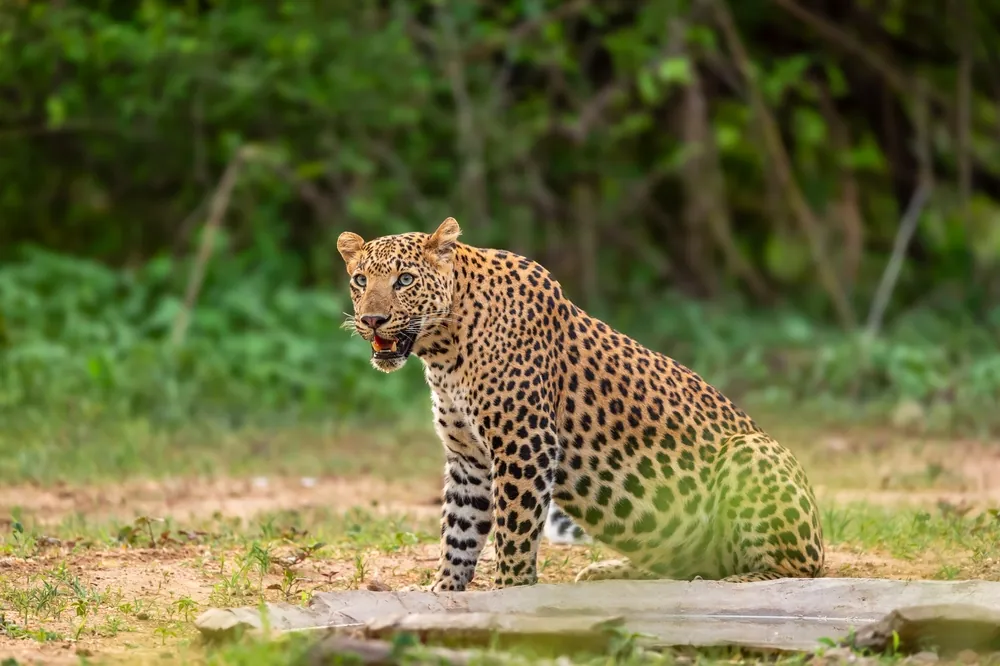
Tucked into rocky scrub forest at the edge of Jaipur, Jhalana packs one of India's highest leopard densities into a compact urban-adjacent reserve — delivering close, frequent sightings alongside jackals, hyenas and a quietly strong bird population.
Jhalana Leopard Reserve sits on the rocky, scrub-covered hills bordering Jaipur city, a small pocket of dry deciduous forest that punches well above its size in wildlife density. Unlike India's larger tiger reserves, Jhalana's ecology is built around the Indian leopard, with an estimated 30-plus individuals sharing roughly 23 square kilometres of core forest — among the highest leopard densities recorded anywhere in the country. Rocky outcrops, thorny scrub and seasonal water points support a smaller but resilient mammal list alongside a genuinely rewarding range of resident and migratory birds. Its proximity to the city, near-guaranteed sighting rates and shorter safari circuits have made Jhalana one of Rajasthan's most distinctive wildlife destinations, popular with photographers who want reliable leopard encounters without the long transit times of a larger park.
The reserve built entirely around one of the world's most adaptable big cats.
The Indian leopard (Panthera pardus fusca) is Jhalana's flagship and only resident big cat. Solitary and highly territorial, leopards here have adapted to the rocky, semi-urban landscape, using boulders and thorn scrub for cover while remaining unusually visible compared to leopard populations in larger, denser forests.
Jhalana's leopards are often active through the cooler morning and late-afternoon hours, basking on rocky outcrops — behaviour that makes them far more visible here than in most Indian reserves.
The reserve's core rocky belt, centred on its main water points, holds the highest concentration of resident leopard territories and consistently strong sighting probability.
A small reserve with more going on than its headline cat.
While the leopard is the reason most visitors come, Jhalana's scrub forest also supports a modest but genuine range of other carnivores, grazing mammals and reptiles, all adapted to a drier, rockier habitat than India's larger reserves.
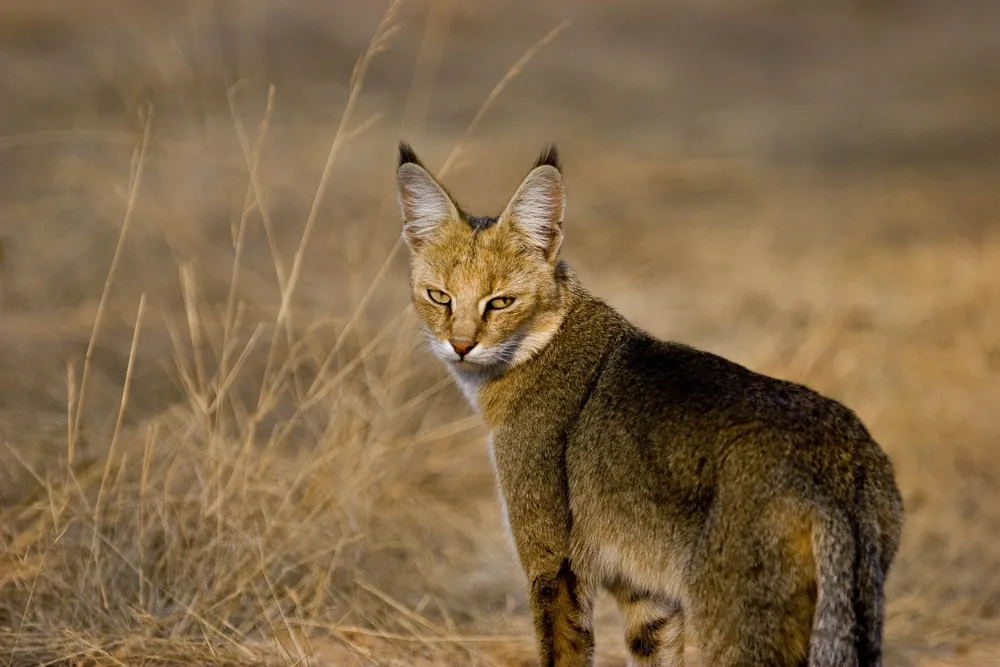
Jungle cats move through Jhalana's thorn scrub after dark, staying well clear of leopard territory and rarely seen outside occasional dusk sightings near water points.
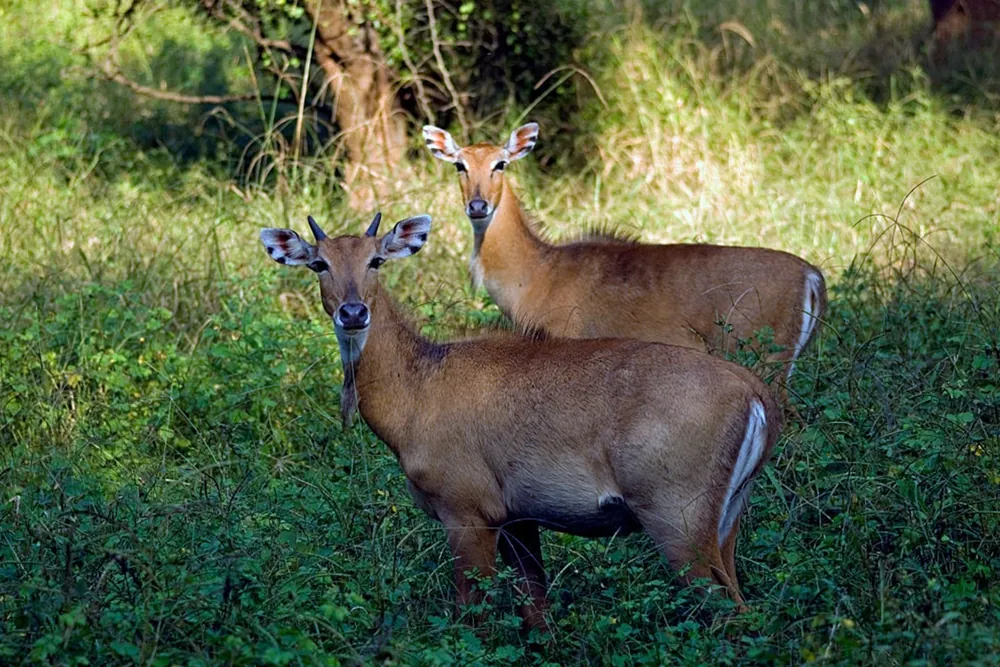
Nilgai and hare form the core prey base, grazing the reserve's scrub and open patches and providing a steady food source for its dense leopard population.
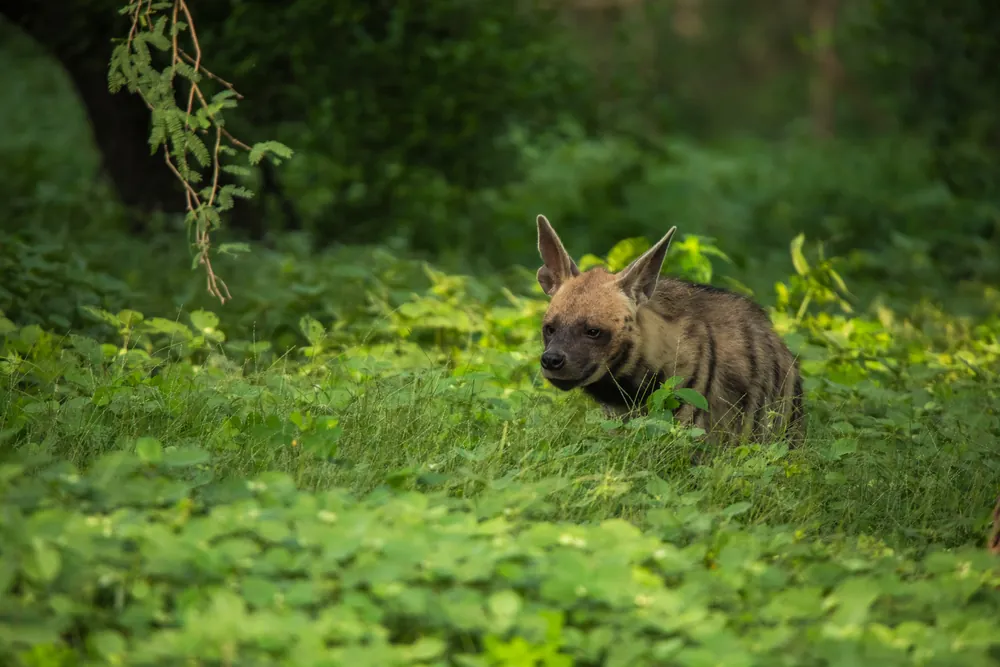
Striped hyenas and golden jackals share the carnivore guild with leopards, while monitor lizards and the occasional cobra inhabit the reserve's rocky terrain.
A reserve defined by a single, densely populated flagship species.
A compact but genuine carnivore community around the reserve's leopards.
A modest but reliable prey base for the reserve's leopard density.
An under-the-radar birdwatching spot alongside its leopard reputation.
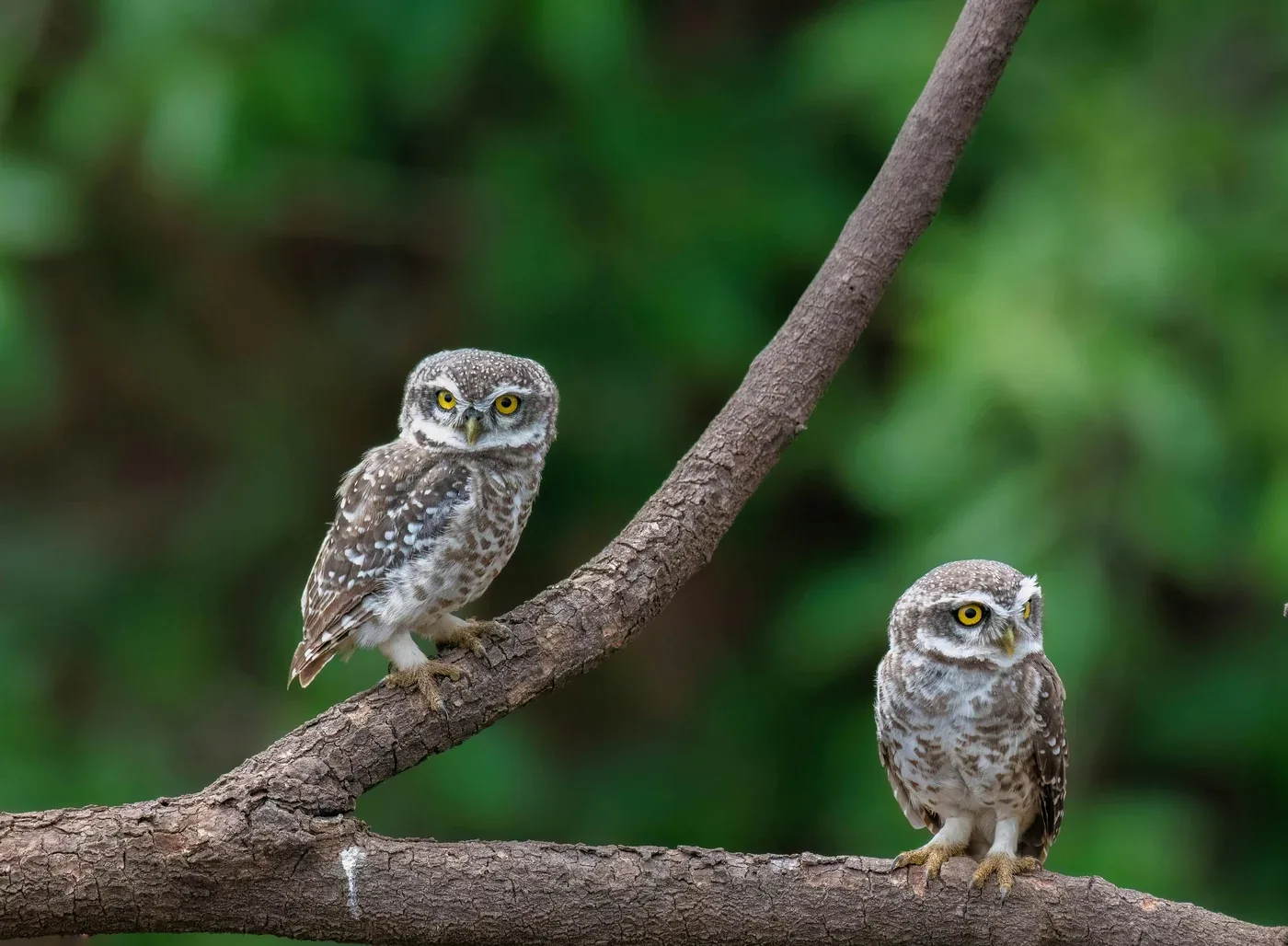
Jhalana's scrub forest, rocky outcrops and seasonal water points support a solid range of resident dry-forest birds, with raptors especially well represented given the reserve's open terrain. While its bird list is smaller than larger multi-habitat parks, the density and visibility of species here make it a worthwhile stop for visiting birdwatchers.
Home to over 100 bird species recorded across its scrub forest and rocky terrain.
The Indian leopard is Jhalana's most famous resident, alongside striped hyenas, golden jackals and a strong population of nilgai.
The Indian leopard is the reserve's flagship species — Jhalana has no resident tiger population and is built entirely around its dense leopard numbers.
Jhalana is home to an estimated 30-plus leopards within its core area, giving it one of the highest leopard densities recorded in India.
The reserve's core rocky belt around its main water points holds the highest concentration of resident leopard territories and the most consistent sightings.
Over 100 bird species have been recorded in the reserve, including the Indian grey hornbill, shikra and crested serpent eagle.
Monitor lizards and occasional cobras are seen across the reserve's rocky terrain, though its reptile diversity is more limited than larger, wetter parks.
October to April offers the most comfortable viewing conditions, though Jhalana's leopard sightings stay strong through much of the year thanks to its high resident density.
Yes — its open scrub terrain makes raptors and dry-forest species easy to spot, making it a worthwhile add-on for birdwatchers visiting Jaipur.
Jungle cats are present but rarely seen, staying nocturnal and avoiding leopard-dominated territory, making them the reserve's most elusive sighting.
Jhalana demonstrates how a small, urban-adjacent forest can sustain a genuinely dense wild leopard population, offering a conservation and research model for semi-urban wildlife habitats.
Jhalana's ecosystem is shaped by its compact size and rocky, semi-arid terrain — a landscape of thorn scrub, dry deciduous patches and boulder-strewn hillsides that sits almost within Jaipur's city limits. This dense, contained habitat concentrates wildlife activity into a relatively small area, producing one of the highest leopard-per-square-kilometre figures recorded in India. Unlike larger reserves built around a tiger-led food chain, Jhalana's ecology runs on a shorter chain, with leopards at the top, hyenas and jackals filling supporting carnivore roles, and nilgai, hare and wild boar forming the prey base. Wildlife activity here shifts less dramatically with season than in larger forests, given the reserve's smaller size and steadier water access. Jhalana's transformation from a former royal hunting ground into a managed leopard reserve reflects a growing recognition of smaller, urban-adjacent forests as genuine conservation assets rather than just green buffers. Ongoing monitoring by the Rajasthan forest department has helped stabilise and document its leopard population, giving Jhalana a research value that extends beyond tourism. For visitors, this translates into short safari circuits, consistently high sighting rates, and an accessible introduction to Indian wildlife tourism that doesn't require the multi-day commitment larger reserves demand — all while operating under a permit and zone system designed to prevent overcrowding in such a small core area.
Jhalana's leopard-dominated ecosystem leaves little room for other wild cats, but jungle cats persist in the reserve's thorn scrub and grassier patches, staying almost entirely nocturnal to avoid direct competition. They hunt rodents, birds and reptiles through the cooler hours, retreating to dense cover by day. Sightings are occasional and usually limited to dusk safaris near water points, where jungle cats sometimes venture into the open. Their presence adds a layer of ecological depth to a reserve otherwise built around a single big cat, helping control small mammal populations in a habitat where resources are naturally limited by Jhalana's compact size.
Jhalana's herbivore community is smaller than that of larger reserves but sufficient to sustain its dense leopard population. Nilgai are the most visible grazing species, moving through open scrub and grassier clearings, while Indian hare occupy the reserve's undergrowth in good numbers, forming an important smaller prey item for leopards and jungle cats alike. Wild boar forage through the forest floor, contributing to seed dispersal despite the reserve's rocky, less vegetated terrain. Populations here stay relatively stable year-round given consistent access to Jhalana's managed water points, a contrast to the sharper seasonal shifts seen in larger parks. Together, these species keep the reserve's food chain functioning despite its limited size.
Beyond the leopard, Jhalana's carnivore guild includes striped hyenas, golden jackals and jungle cats, each occupying a niche shaped by the reserve's small size and leopard dominance. Hyenas scavenge widely and occasionally take smaller prey, helping clear carcasses within the reserve's compact territory. Jackals hunt opportunistically and adapt well to the reserve's proximity to human settlement at its edges. Competition among these species is intensified by Jhalana's limited area, pushing smaller carnivores into tighter activity windows around the leopard's territory and movement patterns. This condensed predator structure makes Jhalana a useful case study in how carnivore communities adapt to shrinking, semi-urban forest habitats.
Jhalana's rocky terrain and seasonal water bodies support a modest but present reptile population. Monitor lizards are among the more commonly sighted, moving between rock crevices and open ground near water points. Cobras and other snakes inhabit the reserve's scrub and boulder terrain, playing a role in controlling rodent populations that helps balance the food chain at a smaller scale. Compared to larger, wetter reserves, Jhalana's drier habitat supports a narrower reptile range, but sightings remain a genuine part of the wildlife experience for visitors paying close attention during safari drives across its rocky core.